
Non Emergency
Contact Form
TL;DR — What Oakland County Homeowners Need to Know
Why basements flood in spring:
- Snow-melt
+ heavy rain overwhelm clay soil and aging drains
- Freeze–thaw
cycles crack foundations
- Older
sump and footing drain systems fail under pressure
How to reduce risk:
- Test
your sump pump before heavy rain
- Extend
downspouts at least 6–10 feet from your foundation
Call a professional immediately if:
- Water
depth exceeds 1–2 inches
- Power
is on and water is present
- You
suspect sewer or drain backup
- Standing
water remains longer than 24 hours
Spring Basement Flooding in Troy, MI: How to Protect Your Basement from Flooding
Spring in Michigan brings warmer temperatures, melting snow, and heavy rain—but it also brings one of the highest risks of basement flooding. In areas like Troy and throughout Oakland County, homeowners often experience water intrusion caused by saturated soil, foundation cracks, and overwhelmed drainage systems.
According to regional water damage response data, spring flooding is one of the most common causes of basement water damage in Southeast Michigan. Understanding why it happens—and how to prepare—can help protect your home, belongings, and foundation.
Why Spring Causes Basement Flooding in Michigan Homes
Spring is the highest-risk season for basement flooding
across Michigan — and Oakland County is especially vulnerable.
Snow-Melt Saturation
Frozen ground prevents melting snow from soaking into the
soil. Instead, water moves sideways toward foundations, increasing hydrostatic
pressure around basement walls.
Heavy Spring Rainfall
When rain falls on already saturated ground, storm drains
and sump systems can become overwhelmed—forcing water toward your home.
Clay-Heavy Soil Common in Oakland County
Much of Southeast Michigan sits on dense clay soil,
which absorbs water slowly. During snow-melt and heavy rain, water builds up
and presses against foundation walls instead of draining away.
Freeze–Thaw Foundation Stress
Michigan winters cause concrete to expand and contract
repeatedly. By spring, small cracks allow groundwater intrusion under pressure.
Flat Neighborhoods & Dense Development
Many Oakland County neighborhoods were built with minimal
grading. Water has nowhere to go — so it follows the path of least
resistance: your basement.
Aging Storm & Footing Drain Systems
Older subdivisions often rely on outdated drain tiles,
sump pumps, and storm sewer connections that weren’t designed for today’s
rainfall volumes.
Why Oakland County Basements Flood More Than Other Michigan Areas
Compared to more rural or hilly parts of the state, Oakland
County combines several risk factors:
- Clay-heavy
soil that holds water
- Dense
development limiting natural drainage
- Older
housing stock with shallow foundations
- Aging
storm and sewer infrastructure
In Troy, neighborhoods near major corridors and older
subdivisions — including parts of Royal Oak with bungalow-style homes — often
have shallow basements, older footing drains, and undersized sump systems,
making them especially prone to spring flooding.
5 Steps to Prevent Basement Floods This Spring
Step 1: Inspect Your Foundation and Basement Walls
Look for:
- Hairline
cracks
- Damp
or darkened concrete
- White
chalky residue (efflorescence)
Early detection allows for preventive repairs before water
damage escalates.
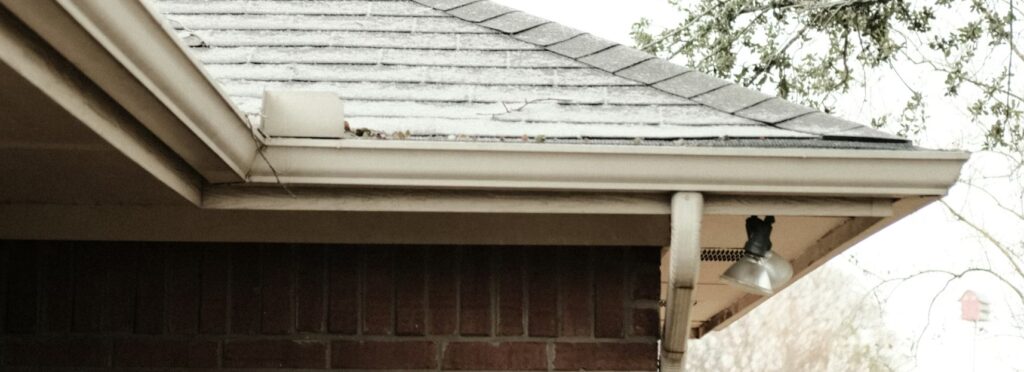
Step 2: Clean and Extend Gutters & Downspouts
Clogged gutters can dump thousands of gallons of water
directly near your foundation. Downspouts should discharge at least 6–10
feet away from your home.
Step 3: Test Your Sump Pump Before Heavy Rain (5-Minute
Check)
Quick test:
- Pour a
bucket of water into the sump pit
- Confirm
pump activates automatically
- Check
the discharge line flows freely away from the home
- Inspect
the check valve
- Verify
battery backup (or consider adding one)
Many spring floods happen because a sump pump worked last
year — but fails this year.
Step 4: Improve Yard Grading and Drainage
After a heavy rain:
- Look
for standing water within 3–5 feet of your foundation
- Soil
should slope away roughly 6 inches over 10 feet (common building
standard)
- Persistent
pooling = drainage problem
Step 5: Consider Preventive Waterproofing Solutions
Professional basement waterproofing may include:
- Interior
drainage systems
- Foundation
crack sealing
- Vapor
barriers
- Sump
upgrades with backup power
Homes with previous flooding history benefit most from
proactive solutions.
Early Warning Signs Your Basement May Be at Risk
Watch for these common indicators:
- Musty
or damp odors
- Peeling
paint or bubbling drywall
- Rusting
appliances or metal fixtures
- Minor
puddles after rain
- Increased
humidity levels
Ignoring these signs often leads to larger, more expensive
repairs.
What to Do If Your Basement Floods
If flooding occurs, quick action is critical.
- Prioritize
safety — avoid electrical hazards
- Stop
the water source if possible
- Document
damage for insurance claims
- Remove
standing water immediately
- Call
a professional restoration company
Restoration professionals recommend water removal within 24–48
hours to reduce mold growth and structural damage.

Why Oakland County Homeowners Trust Professional Flood Restoration
Local expertise matters. Restoration teams familiar with
Oakland County soil conditions, building styles, and seasonal flooding patterns
can respond faster and more effectively.
Homeowners in Troy, Birmingham, Royal Oak, and surrounding
communities benefit from:
- Rapid
emergency response
- Industrial-grade
water extraction
- Mold
prevention expertise
- Insurance
coordination support
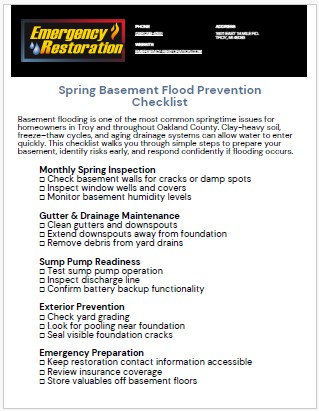
Free Download: Basement Flood Prevention Checklist
To help homeowners stay prepared, we’ve created a Spring Basement Flood Prevention Checklist designed specifically for Oakland County homes.
Basement Flooded Right Now? Do This in the First 60 Minutes
If water is already entering your basement, what you do
first matters.
Step 1: Safety First
- If
safe, shut off power to the basement from the main panel upstairs
- Do not
stand in water if electricity may be live
Step 2: Stop or Slow the Source
- Shut
off main water if plumbing failure is suspected
- Check
sump pump operation
- Avoid
flushing toilets if sewer backup is possible
Step 3: Document for Insurance
- Take
photos and video before cleanup
- List
damaged items and materials
Step 4: Know When to Stop DIY Efforts
You can attempt limited cleanup only if:
- Water
depth is under 1–2 inches
- Water
is clean (not sewer or drain)
- Power
is safely off
- You
can dry the area within 24–48 hours
Otherwise, call a professional immediately.
When DIY Isn’t Enough: Call a Pro If…
|
Situation |
What You Can Do |
When to Call a Pro |
|
Damp walls or minor seepage |
Dehumidifier, fan, monitor |
If it happens every storm |
|
1–2 inches of clean water |
Wet vac, move items, dry |
If area is large or power is unsafe |
|
Sewer backup or odor |
Avoid contact |
Always — contamination risk |
|
Standing water >24 hours |
— |
Mold risk increases rapidly |
Spring Flood Risk Scenarios in Troy
Scenario 1:
Older home, finished basement, sump pump, heavy March rain
·
High risk if pump fails or drains are
overwhelmed
Scenario 2:
Newer build, walkout basement, poor grading, rapid snow-melt
·
Water flows toward foundation despite newer
construction
Why Oakland County Homeowners Call Us
- 24/7
emergency response
- Experience
with Michigan spring flooding patterns
- Equipment
designed for basement extraction
- Help
coordinating insurance claims
Serving Troy, Royal Oak, Birmingham, and surrounding
Oakland County communities.
FAQ
Is spring flooding common in Troy, MI?
Yes. Snow-melt combined with spring rainfall makes Troy and
surrounding Oakland County communities especially prone to basement flooding.
What causes basements to flood in Michigan during spring?
Frozen ground, heavy rain, foundation cracks, and
overwhelmed drainage systems are the primary causes.
How can I prevent basement flooding?
Routine inspections, proper drainage, sump pump maintenance,
and professional waterproofing significantly reduce flood risk.
When should I call a water damage restoration company?
If you see standing water, persistent moisture, or signs of
mold, professional help should be contacted immediately.