
Non Emergency
Contact Form
Hidden Water Damage in Older Troy Homes
Many Troy homeowners never know they have a water problem until the damage is already significant. There’s no burst pipe, no visible puddle — just a faint musty smell in the basement or a floor that seems slightly soft underfoot. By the time those signs appear, moisture may have been working its way through walls, subfloors, or foundation materials for months.
In older homes throughout Troy and Oakland County, hidden water damage is one of the most common — and most costly — problems we encounter. This guide explains why older Michigan homes are particularly vulnerable, what early warning signs to watch for, how to inspect for moisture issues, and what professional restoration can do to stop long-term damage before it becomes a structural problem.
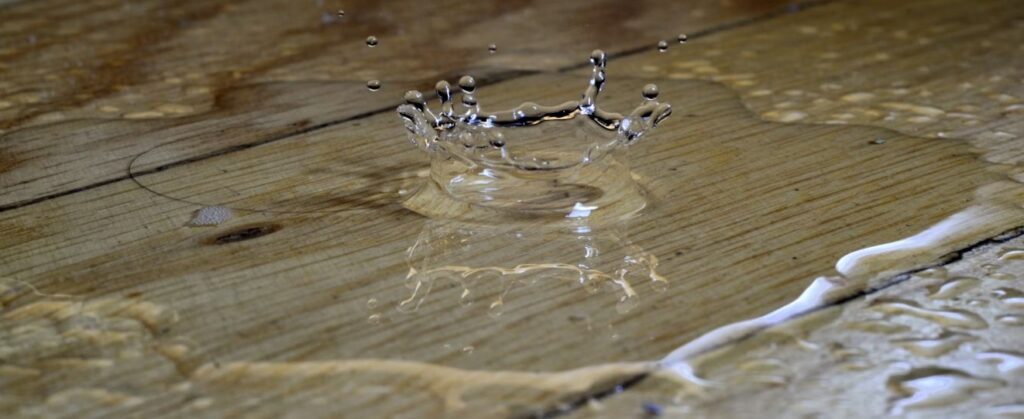
Why Older Michigan Homes Are More Vulnerable to Hidden Water Damage
A significant portion of the
housing stock in Troy and the surrounding Oakland County area was built between
the 1950s and 1980s. These homes were constructed with materials and methods
that were standard at the time but have since degraded — often in ways that
aren’t immediately visible.
Several factors make older homes
more susceptible to hidden water intrusion:
•
Aging waterproofing materials. Original
sealants, vapor barriers, and waterproofing coatings have a limited lifespan.
In a home that’s 40 to 70 years old, these materials are often cracked,
brittle, or entirely absent in areas that were never properly protected.
•
Foundation type and condition. Many older Troy
homes were built on block foundations, fieldstone, or early poured concrete.
These materials are porous by nature and become more so as they age and develop
hairline cracks over decades of freeze-thaw cycles.
•
Outdated drainage design. Michigan’s climate
produces significant snowmelt and seasonal rainfall. Drainage systems in older
homes — including drain tiles, gutters, and grading around the foundation —
were not always engineered to handle the volume of water that today’s weather patterns
can deliver.
•
Aging plumbing. Homes built before the 1980s
frequently contain galvanized steel pipes or older clay sewer lines. These
materials corrode and degrade over time, creating conditions for slow leaks
inside walls and beneath floors that can go undetected for years.
The result is a home that may
look perfectly sound on the surface while quietly accumulating moisture in its
structure.
Subtle Signs of Hidden Water Damage in Your Home
Visible flooding is easy to
identify (also, here are some tips to help prevent
your basement from flooding). The challenge with hidden water damage is
that the signs are easy to dismiss or attribute to something else. Here’s what
to watch for.
Musty or Earthy Odors
A persistent musty smell —
particularly in basements, crawl spaces, or closets along exterior walls — is
one of the earliest and most reliable indicators of hidden moisture. The odor
comes from mold and mildew colonizing damp materials inside wall cavities or
beneath flooring. By the time the smell becomes noticeable, microbial growth is
usually already underway.
Warped, Buckling, or Soft Floors
Wood subfloors that have
absorbed moisture will swell, warp, and eventually delaminate. You may notice
sections of hardwood flooring that have cupped or buckled, or areas of vinyl or
laminate that feel soft and slightly springy underfoot. Tile that has shifted
or grout lines that have cracked can also indicate subfloor moisture movement.
Staining and Discoloration on Walls or Ceilings
Yellow or brown rings on
ceilings indicate water that has passed through the structure above. Paint that
is bubbling, peeling, or pulling away from the wall surface suggests moisture
behind it. In basements, white chalky deposits on concrete or block walls —
known as efflorescence — are a sign that water is moving through the
masonry and depositing minerals on the surface.
Doors and Windows That Suddenly Stick
When framing members absorb
moisture, they swell — causing doors and windows to bind in their frames. This
is a commonly overlooked sign because homeowners often attribute it to settling
or seasonal changes. If multiple doors or windows begin sticking at the same
time, it’s worth investigating whether moisture is the cause.
Unexplained Increases in Water Bills
A slow leak inside a wall or
beneath a slab can run continuously without ever producing visible water. If
your water usage has increased without a change in your household habits, a
hidden leak may be responsible. Compare recent bills against the same period in
prior years as a baseline.
Pro Tip: If you notice two or more of these signs at the same time, don’t wait. Early intervention is significantly less costly than mold remediation after structural damage or widespread mold growth has occurred.
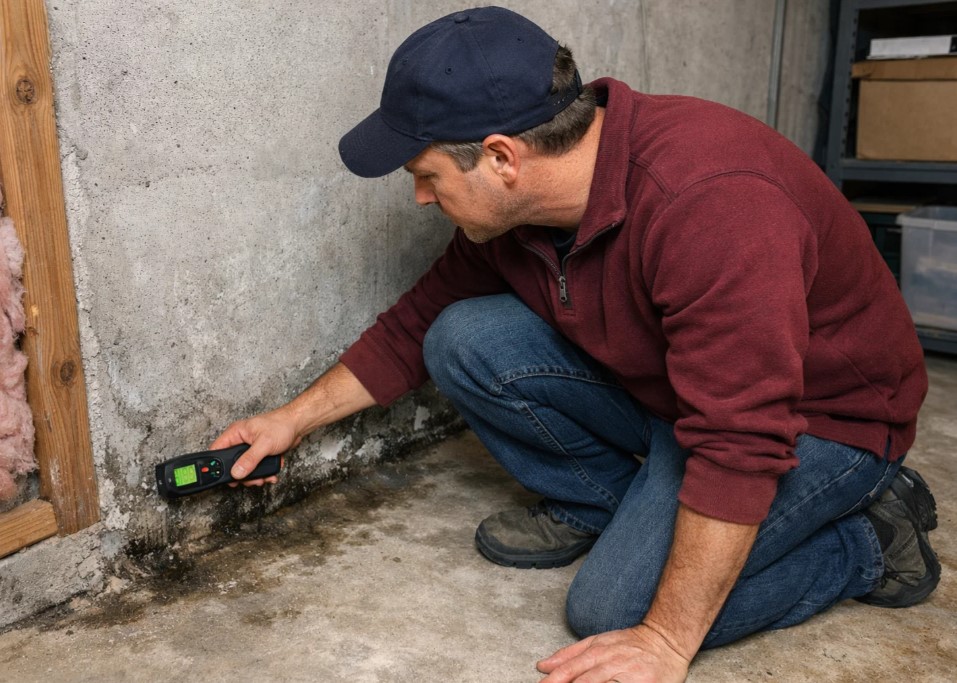
How to Inspect for Moisture Issues Early — Tools and Steps
Catching water intrusion early
depends on knowing where to look and what to look for. A basic moisture
inspection doesn’t require professional equipment, though there are tools that
can significantly improve accuracy.
DIY Inspection Steps for Homeowners
Begin your inspection in the
areas most likely to experience moisture intrusion in an older Michigan home:
•
Basement and crawl space. Check walls and floors
for staining, efflorescence, or visible mold. Look at the base of any support
columns or posts for soft wood or discoloration.
•
Around windows and exterior doors. Look for soft
or discolored wood framing, peeling paint, or condensation between panes.
•
Under sinks and around toilets. Check cabinet
floors and the base of fixtures for staining or soft spots.
•
Attic. Look for dark staining on rafters and
sheathing, which can indicate condensation or a slow roof leak. Check around
any penetrations — vents, chimneys, and skylights are common entry points.
•
Exterior grading. The ground around your
foundation should slope away from the house. Flat or inward-sloping grade
allows water to pool against the foundation and find its way inside.
Tools That Help Detect Hidden Moisture
Several affordable tools can
help homeowners go beyond a visual inspection:
•
Moisture meters are inexpensive and widely
available at hardware stores. Pressing the probes against drywall, wood
framing, or flooring will give a reading that indicates whether moisture levels
are elevated. Readings above 16–17% in wood typically warrant further investigation.
•
Infrared thermometers and thermal cameras detect
temperature variations behind wall surfaces. Moisture causes localized cooling
that shows up clearly on a thermal scan, making these tools effective for
finding wet areas that aren’t visible to the naked eye.
•
Hygrometers measure ambient relative humidity.
Consistently elevated indoor humidity — generally above 60% — can indicate
moisture intrusion even before physical damage is apparent.
When to Call a Professional
A DIY inspection is a useful
starting point, but it has limits. Professionals use industrial-grade moisture
meters, thermal imaging equipment, and borescope cameras that can inspect
inside wall cavities without opening them. If your initial inspection turns up
concerning readings, if you detect a musty odor you can’t trace, or if you’ve
identified visible mold anywhere in the home, a professional assessment is the
appropriate next step.
Emergency Restoration Company
provides moisture assessments for homes throughout Troy and Oakland County. Our
technicians are trained to identify the full extent of moisture intrusion —
including areas that aren’t accessible through a standard visual inspection.
How Professional Restoration Prevents Long-Term Mold and Rot
Water damage follows a
predictable progression. In the first 24 to 48 hours after moisture enters a
structure, mold spores begin to germinate in damp materials. Within days,
active mold colonies can establish themselves in wall cavities, insulation, and
subfloor assemblies. Left untreated, ongoing moisture will cause wood framing
to rot, compromising the structural integrity of the home.
Professional restoration
interrupts that progression. When Emergency Restoration Company responds to a
moisture intrusion, the process typically involves:
•
Moisture mapping. Using thermal cameras and
calibrated meters, technicians identify all affected materials — including
areas behind walls and beneath floors that show no visible damage.
•
Controlled structural drying. Industrial air
movers and dehumidifiers are placed strategically to lower moisture levels
throughout the affected area. This process is more effective than simply airing
out the space and reaches moisture that ventilation alone cannot remove.
•
Antimicrobial treatment. Any materials showing
early mold growth are treated to stop further colonization. In cases where mold
is already established, full remediation is performed in accordance with IICRC
standards.
•
Documentation for insurance purposes. Our team
documents moisture readings, affected areas, and remediation steps — records
that are often required to support a homeowner’s insurance claim. (For more
info, see ourg guide on how
to navigate a water damage claim in Oakland County.)
Homeowners frequently ask
whether the cost of professional restoration is worth it relative to attempting
to manage moisture issues themselves. The answer depends on the extent of the
damage, but in most cases, early professional intervention is significantly
less expensive than the repairs required once rot or structural mold has set
in.

Case Study: Water Damage Restoration in a Troy, MI Home
Emergency Restoration Company
was called to a commercial building to perform water
damage restoration in Troy after a significant water leak originating from
failed dental equipment spread quickly through the dentist’s office and into an
adjacent neighboring business. Both tenants needed immediate attention to
prevent mold, maintain a sanitary environment, and get operations back online
with minimal disruption.
The situation presented two
compounding challenges. First, the damage crossed tenant lines, requiring
restoration to be coordinated across two active businesses simultaneously.
Second, in a commercial environment serving patients and customers, any delay
in addressing moisture created real health risks — mold and bacterial growth
can take hold within 24 to 48 hours and compromise indoor air quality in spaces
that must meet sanitation standards.
Emergency Restoration Company
deployed a specialized water damage mitigation team and worked through a
structured process across both units:
●
Identifying and stopping the leak source. The
team located the failed equipment responsible for the leak, stopping the water
flow and preventing additional flooding from spreading further into either
unit.
●
Water extraction. High-efficiency extraction
equipment was used to remove all standing water from both commercial spaces,
eliminating residual moisture that could accelerate structural damage or mold
development.
●
Strategic dehumidification. Industrial-grade
dehumidifiers were placed throughout both affected areas and ran continuously
to draw moisture from the air and building materials, preventing the mold and
mildew growth that would otherwise compromise indoor air quality.
●
Cleaning and antimicrobial treatment. All
affected surfaces were thoroughly sanitized with antimicrobial treatment to
inhibit bacterial growth — a critical step in a patient-facing healthcare
environment where sanitation standards must be maintained.
●
Damage assessment and reconstruction. Following
mitigation, a comprehensive damage assessment identified all compromised
materials. Damaged drywall and flooring were replaced, with reconstruction
coordinated closely around both businesses’ operating schedules to avoid adding
disruption beyond what the water damage itself had caused.
Both the dentist’s office and
the neighboring business were fully restored to a clean, safe, and operational
condition. The swift response by Emergency Restoration Company’s mitigation and
reconstruction teams allowed both Troy businesses to reopen quickly, with
minimal impact on patients and customers.
>>See the full
case study here.
Don’t Wait to Address Hidden Water Damage
Older homes in Troy and
throughout Oakland County carry real risk for hidden moisture intrusion — and
the consequences of ignoring early warning signs are rarely minor. The good
news is that water damage caught early is far more manageable than water damage
discovered late.
If your home is showing any of
the signs described above — musty odors, soft floors, staining, or unexplained
humidity — take the time to do a thorough inspection. If your investigation
raises further concerns, or if you’re simply not sure what you’re looking at, a
professional assessment is the most reliable way to know what you’re dealing
with.
Emergency Restoration Company is available 24/7 for emergency response and moisture assessments throughout Troy, MI and Oakland County. Call us at (248) 299-4500 or request a free inspection online at emergency-restoration.com.
Frequently Asked Questions
How do I know if my older home has hidden water damage?
The most common early indicators
are musty odors, soft or warped flooring, staining on walls or ceilings, doors
and windows that stick, and unexplained increases in water bills. A moisture
meter inspection of your basement, crawl space, and areas around plumbing
fixtures is a practical first step.
How quickly does mold grow after water damage?
Mold spores can begin
germinating within 24 to 48 hours of moisture exposure under the right
temperature and humidity conditions. Visible mold growth typically appears
within a few days to a week. This is why prompt response to any suspected water
intrusion is critical.
What does a moisture inspection involve?
A professional moisture
inspection uses thermal cameras, calibrated moisture meters, and visual
assessment to identify all areas of elevated moisture — including inside wall
cavities and beneath flooring. The inspection produces a moisture map that
guides the remediation plan and provides documentation for insurance purposes.
Does homeowners insurance cover hidden water damage?
Coverage depends on your
specific policy and the source of the damage. Many policies cover sudden and
accidental water intrusion but exclude damage caused by gradual leaks or
deferred maintenance. A professional restoration company can help you document the
damage and work with your adjuster to determine what is covered.
Concerned About Hidden Water Damage?
For immediate help, contact the
professionals at Emergency Restoration Company in Troy, Michigan on our 24-hour
line at (248) 299-4500. Alternatively, you can fill out our non-emergency contact form
and we’ll get back to you as soon as possible.