
Non Emergency
Contact Form
When Storms Strike: What to Do After Damage in Troy, MI
Storms can hit fast in Troy, and the damage they leave
behind is not always obvious right away. High winds, hail, and heavy rain can
break windows, tear up roofing, flood basements, and allow water to spread into
walls, ceilings, and flooring. In many cases, what a homeowner does in the
first few hours can make a big difference in safety, cleanup costs, and the
insurance process.
This guide walks through what to do immediately after wind,
hail, or flood damage in Troy, MI. From protecting your home and documenting
the damage to arranging temporary fixes and knowing when to call for help,
these steps can help you stay organized during a stressful situation. If you
need fast local help, Emergency Restoration provides storm damage restoration in Troy and throughout Oakland
County.
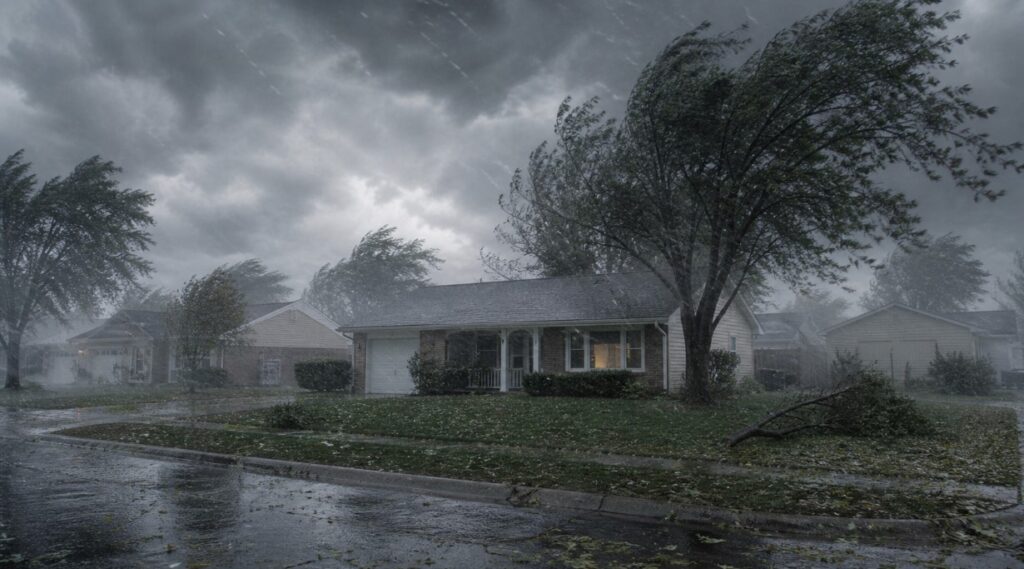
Immediate Safety Steps After Storm Damage
The first priority after any storm is safety. Even if the
damage looks minor from the outside, there may be hidden risks inside the home.
Check for immediate hazards before going back inside
Before entering or moving around the property, look for
anything that could put you or your family in danger. This may include downed
power lines, broken glass, roof collapse risks, sagging ceilings, standing
water near electrical outlets, or large tree limbs resting on the structure.
If you smell gas, hear unusual cracking sounds, or see major
structural damage, stay out and call for emergency assistance. It is also a
good idea to keep children and pets away from the damaged area until it has
been inspected.
In some cases, storm damage quickly turns into a larger
water problem. A roof leak, broken window, or damaged siding can allow
rainwater to keep entering the home long after the storm has passed. That is
one reason many property owners end up needing water damage restoration in Troy in addition to storm
cleanup.
Shut off utilities only if it is safe
If water is entering the home or part of the structure has
been damaged, shutting off utilities may help reduce risk. However, this should
only be done if you can reach the shutoff safely. Never walk through standing
water to access a breaker panel or electrical controls. If there is any doubt,
wait for professionals or contact the utility company for guidance.
Protect people first, belongings second
After making sure everyone is safe, move important
belongings away from active leaks if you can do so safely. This may include
electronics, paperwork, small furniture, and sentimental items. Put buckets
under drips, use towels in minor problem areas, and close off unsafe rooms.
One important rule: do not climb onto the roof after a
storm. Wind and hail damage can weaken roofing materials, and wet surfaces are
dangerous. A quick DIY check is not worth the risk of injury.

How to Document Damage for Insurance
Once the property is safe enough to enter, begin documenting
the damage right away. Good documentation can support your claim and make it
easier to show the full scope of what happened.
Take photos and videos before cleanup begins
Try to photograph everything before moving too much around.
Start with wide shots of the outside of the property and each affected room.
Then take close-up images of specific damage such as:
- missing
shingles
- hail
hits on siding or gutters
- broken
windows
- ceiling
stains
- wet
drywall
- soaked
carpet
- damaged
furniture
- standing
water
- fallen
branches or debris
Video can also help show the overall condition of the
property. Walk through slowly and narrate what you see if helpful. The goal is
to create a clear visual record before temporary cleanup or mitigation changes
the scene.
Homeowners may also benefit from reviewing a more detailed insurance claim guide when preparing for the claims process.
Make a room-by-room list of damaged items
In addition to photos, write down what was affected in each
room. Include building materials and personal belongings. For example, note
damaged flooring, baseboards, drywall, insulation, mattresses, furniture,
electronics, and stored items in a basement or garage.
If possible, include:
- the
approximate age of the item
- estimated
value
- whether
it is repairable or likely a total loss
- when
you first noticed the damage
A simple list can save time later when speaking with your
insurance adjuster.
Save receipts and emergency expenses
If you buy tarps, plywood, fans, trash bags, or other
emergency supplies, keep the receipts. If the damage forces you to stay
elsewhere temporarily, save hotel and meal records too if your policy may cover
that type of expense. These details can become important later.
Do not throw everything away too quickly
Many homeowners want to start clearing damaged items immediately, which is understandable. Still, it is best to avoid disposing of major materials or belongings until they have been documented. If items must be removed quickly for safety or sanitation reasons, take several photos first and keep a short written record of what was discarded.
Temporary Fixes That Can Help Limit Further Damage
After the damage has been documented, the next step is
preventing the situation from getting worse. Temporary mitigation can help
reduce additional water intrusion and protect the home until full repairs
begin.
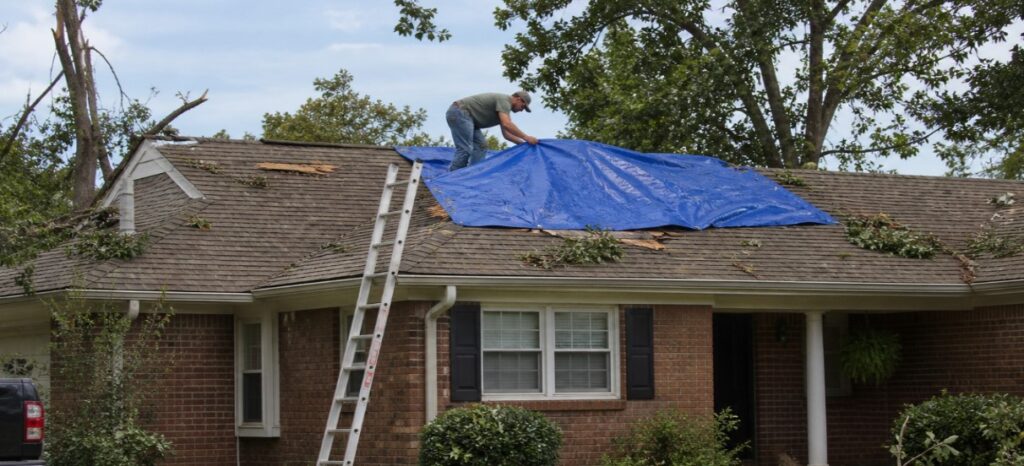
Tarp exposed areas of the roof
If wind or hail has damaged the roof and left an opening,
tarping can help keep rain out until permanent repairs are made. This is one of
the most important temporary steps because ongoing water entry can affect
ceilings, insulation, wall cavities, and flooring in a very short time.
A professionally installed tarp is usually safer and more
reliable than a homeowner trying to secure one after a storm. If the roof has
become unstable, avoid going near it.
Board up broken windows and openings
Broken windows, damaged patio doors, and exterior openings
should be secured as soon as possible. Boarding up these areas can help prevent
more rain from entering the home. It also helps keep out pests and reduces
security concerns after the property has been damaged.
Temporary board-up work is often part of the emergency
response when there has been major storm damage. It buys time while the owner
works through insurance, repair scheduling, and next steps.
Begin water removal and drying quickly
If the storm caused flooding or water intrusion, speed
matters. Even a small amount of water that soaks into carpet, drywall, wood, or
insulation can spread farther than many people expect. What looks like a
surface issue may already be moving behind walls or under floors.
That is why fast water damage cleanup in Troy is so important. Professional
drying equipment, moisture detection tools, and proper removal of saturated
materials can help stop secondary issues before they become more expensive.
If moisture is left behind, mold may begin to grow in hidden
areas. In those cases, homeowners may later need mold
remediation in Troy as part of the restoration process.
Why Fast Professional Cleanup Matters
Some homeowners assume they can wait a few days to see
whether the damage gets worse. The problem is that storm damage often changes
quickly. Water spreads, materials swell, odors develop, and hidden moisture
creates conditions for more serious problems.
Hidden moisture can cause secondary damage
Storm damage is not always limited to what is visible. A
roof leak may send water into attic insulation before it shows on a ceiling. A
broken window may allow rain to soak drywall and subflooring long before
obvious staining appears. A flooded basement may look manageable after water is
removed, while moisture remains trapped in framing or wall materials.
This hidden damage is one reason professional mitigation is
so important. Moisture detection tools can help identify what needs attention
before the problems grow. Homeowners in older properties may also want to learn
more about hidden water damage in older Troy homes, where building
materials can conceal moisture for longer than expected.
Mold risk increases when drying is delayed
One of the biggest reasons to act quickly is mold
prevention. Wet materials, enclosed spaces, and poor airflow create the ideal
conditions for growth. Basements, attics, and behind-the-wall cavities are
especially vulnerable after storm-related water intrusion.
A professional response can help dry the property more
thoroughly and reduce the likelihood of mold becoming part of the problem. If
microbial growth is already present, a restoration company can determine
whether separate mold
remediation services in Troy are needed.
Quick mitigation may support your insurance claim
Fast cleanup is not just about property protection. It may
also help support your insurance claim by showing that you took reasonable
steps to prevent additional damage. Waiting too long can complicate the
situation if the insurer believes some of the worsening damage could have been
reduced through timely mitigation.
Professional teams also know how to document damage
patterns, affected materials, and moisture spread in a way that can support the
claims process.
Local help can make a difference
When storm damage happens, local response matters. A company
familiar with Troy and the surrounding area can often respond faster and
understand the kinds of problems Oakland County homeowners deal with most
often, from roof leaks and basement flooding to storm-driven water intrusion.
Emergency Restoration serves Troy and
nearby communities across Oakland
County and surrounding areas, making it easier for local homeowners to get
help quickly when urgent cleanup is needed.
When to Call for Help After Wind, Hail, or Flood Damage
Some storm situations clearly require professional help
right away. Others may seem minor at first, only to turn into larger
restoration issues over the next day or two.
You should call for help immediately if you notice:
- active
roof leaks
- missing
shingles or visible roof openings
- standing
water in a basement or living area
- broken
windows or exterior openings
- sagging
ceilings
- soaked
drywall or insulation
- a
strong musty odor after water intrusion
- storm
debris that has impacted the structure
- signs
of structural movement or collapse risk
These are not problems that should be left alone while
waiting to “see what happens.” Fast response can help limit the spread of
damage and protect both the structure and its contents.
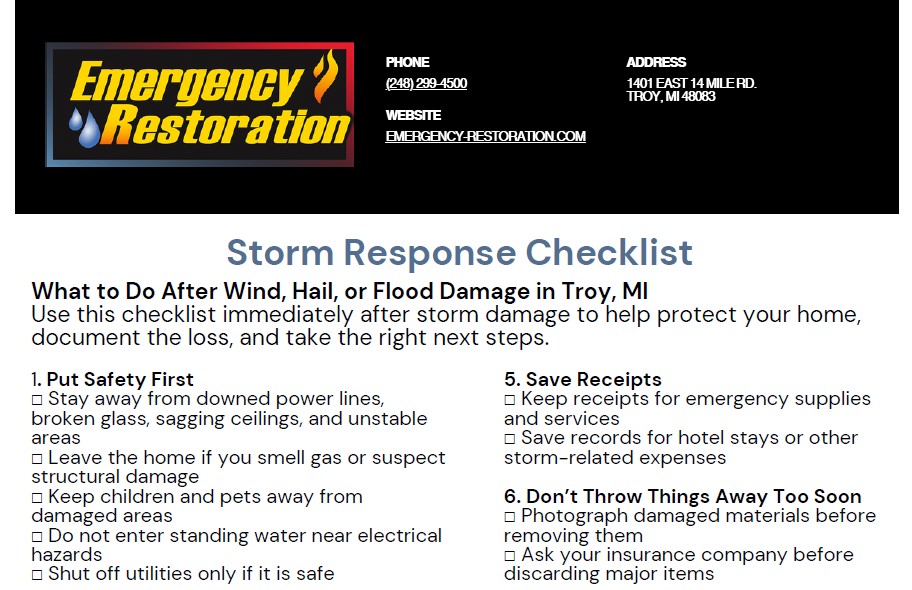
Download the Printable Storm Response Checklist
Why This Matters for Troy Homeowners
Storms in Southeast Michigan can create more than
surface-level damage. Wind can tear roofing materials loose, hail can damage
exterior surfaces, and flooding can push water into basements and lower-level
living spaces. The sooner a homeowner takes the right steps, the better the
chances of reducing long-term damage and keeping the recovery process
organized.
The key things to remember are simple: stay safe, document
everything, prevent further damage where possible, and do not wait too long to
bring in professional help. Quick action can protect your property, reduce
cleanup complications, and make the insurance process easier to manage.
If you need emergency help after wind, hail, or flood
damage, Emergency Restoration offers storm damage restoration in Troy, MI, plus water damage and
cleanup services throughout the area. Homeowners can also contact
Emergency Restoration for fast assistance when storm damage cannot wait.
FAQ: Storm Damage in Troy, MI
What should I do first after storm damage to my house?
Start with safety. Check for major hazards such as
structural damage, electrical risks, gas smells, or standing water near
outlets. Once the area is safe, begin documenting the damage and take steps to
prevent additional loss.
Can hail damage cause roof leaks later?
Yes. Hail may damage shingles, flashing, or other roofing
components in ways that are not obvious right away. A roof may begin leaking
during the next storm if the damage is not addressed.
How soon should I document storm damage for insurance?
As soon as it is safe. Take photos and videos before cleanup
begins so you have a clear record of the original damage.
Is standing water after a storm always an emergency?
Not every case is severe, but standing water should always
be taken seriously. It can damage flooring, drywall, insulation, and contents
while also creating conditions for mold growth.
Why is fast cleanup important after flood damage?
Delays can allow water to spread farther into the structure.
Wet materials can warp, stain, weaken, or begin supporting mold growth if
drying is not started quickly.
Does Emergency Restoration serve areas beyond Troy?
Yes. Emergency Restoration serves Troy along with
surrounding communities in Oakland County and other nearby service areas.