
Non Emergency
Contact Form
Fall Storm Prep: Protect Your Roof, Gutters, and Foundation Before Winter
Fall weather in Michigan can change quickly. A mild afternoon can be followed by strong winds, heavy rain, falling temperatures, and early frost. These seasonal changes can put added pressure on a home’s roof, gutters, drainage system, and foundation.
For homeowners in Troy and throughout Oakland County, fall is one of the most important times of year to inspect the exterior of the home. Missing shingles, clogged gutters, poor drainage, and small foundation cracks may not appear urgent during dry weather. Once repeated rain, falling leaves, and freezing temperatures arrive, however, these minor issues can contribute to significant water damage.
A thorough fall home maintenance plan can help homeowners identify problems before winter makes them more difficult and expensive to address. The following storm prep checklist covers the areas most likely to cause water intrusion during Michigan’s fall and winter seasons.

Why Storm Prep Matters for Oakland County Homes
Michigan’s fall weather often includes a combination of
heavy rainfall, strong wind, falling leaves, and rapid temperature changes.
Each of these conditions can affect a home differently.
Wind may loosen shingles, damage flashing, or bring branches
down onto the roof. Falling leaves can quickly clog gutters and downspouts.
Heavy rain can expose weak points around chimneys, vents, windows, and
foundation walls. As temperatures drop, trapped water can freeze and expand
inside small cracks.
These risks mean that storm preparation in Oakland County
involves much more than cleaning up leaves. It is a preventive process designed
to protect the full path that rainwater follows around a home.
That path begins at the roof, moves through the gutters and
downspouts, and ends at the ground surrounding the foundation. A problem at any
point can allow water to enter the attic, walls, basement, or crawl space.
Michigan Fall Weather Can Reveal Hidden Home Problems
Many forms of storm damage do not begin with a dramatic
event. Water intrusion often starts with a small maintenance issue that
gradually becomes worse.
Heavy Rain Can Expose Weaknesses in the Roof
A roof may appear to be in good condition during dry weather
while still having damaged shingles, deteriorated seals, or loose flashing.
Wind-driven rain can enter around:
- Chimneys
- Plumbing
vents
- Skylights
- Roof
valleys
- Exhaust
vents
- Damaged
or lifted shingles
- Flashing
along roof edges and adjoining walls
Once water gets beneath roofing materials, it may spread
into the roof decking, attic insulation, ceiling materials, and interior walls.
Because water can travel along rafters and structural
materials, the location of an interior stain may not be directly beneath the
original roof leak.
Falling Leaves Can Block Gutters and Downspouts
Leaves, twigs, roof granules, and other debris can prevent
gutters from carrying water away from the roof. During heavy rain, clogged
gutters may overflow along the roofline.
Overflowing water can damage:
- Fascia
boards
- Soffits
- Siding
- Window
trim
- Landscaping
- Foundation
walls
- Basement
walls
Regular gutter cleaning in Troy, MI, is especially important
for homes surrounded by mature trees. A gutter system that was clear in early
September may become blocked again after peak leaf fall.
Temperature Changes Can Worsen Cracks and Moisture Problems
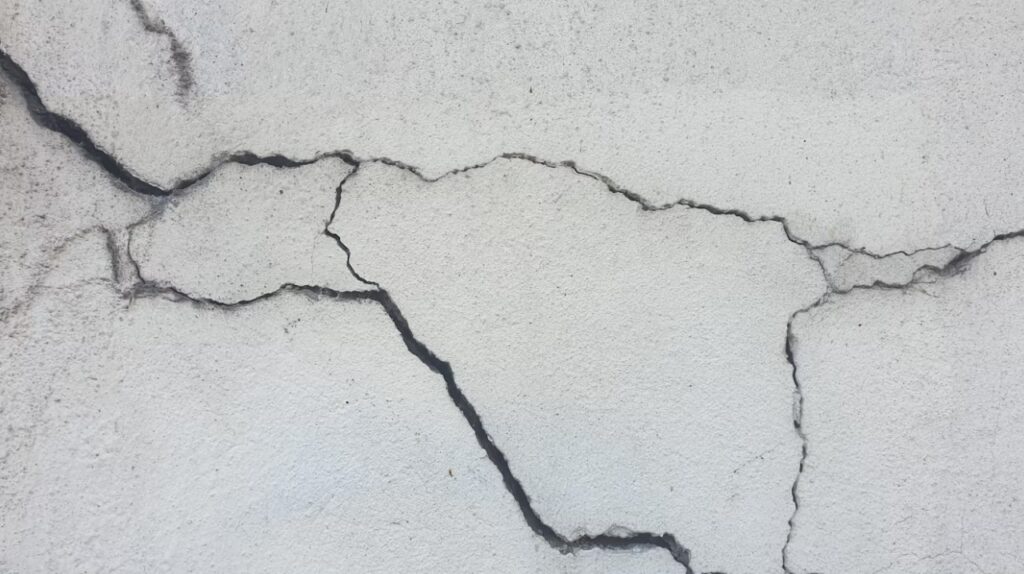
Michigan’s freeze-thaw cycle can make small exterior defects
worse.
Water can enter a small crack in concrete, masonry, roofing
materials, or exterior sealant. When trapped water freezes, ice formation and
the resulting pressure within cracks and porous materials can gradually widen
damaged areas through repeated freeze-thaw cycles.
This process can contribute to:
- Foundation
cracks
- Deteriorated
mortar
- Loose
roofing materials
- Damaged
exterior caulk
- Basement
seepage
- Water
entry around windows and doors
Completing repairs before freezing weather arrives can
reduce the chance that these issues will grow during the winter.
Fall Home Inspection Checklist for Michigan Homeowners
A fall inspection should follow the same route that
rainwater takes around the home. Start at the roof, move to the gutters and
exterior walls, and finish at the foundation and drainage system.
1. Inspect the Roof from a Safe Location
Homeowners should not climb onto a roof that is wet, steep,
icy, damaged, or potentially unstable. Many visible problems can be identified
from the ground using binoculars or from a safely positioned ladder.
Look for:
- Missing
shingles
- Curled
or lifted shingles
- Cracked
shingles
- Dark
or uneven roof areas
- Exposed
roof decking
- Loose
flashing
- Damaged
vent covers
- Debris
collecting in roof valleys
- Tree
branches touching the roof
- Excessive
shingle granules in the gutters
Granules help protect asphalt shingles from sunlight and
weather. A large amount of loose granules in the gutter may indicate that the
shingles are wearing down.
A licensed roofing professional should evaluate any
suspected damage, especially if the roof is older or has recently been exposed
to strong wind.
2. Clean the Gutters and Downspouts
Gutters should be cleared of leaves, twigs, seeds, roof
granules, and standing debris. After cleaning, flush the system with water to
confirm that it drains properly.
Check for:
- Sagging
gutter sections
- Loose
fasteners
- Leaking
seams
- Rust
or corrosion
- Cracks
or holes
- Water
pooling inside the gutter
- Downspout
blockages
- Sections
pulling away from the fascia
Water should move freely through the downspouts without
leaking near the siding or foundation.
Depending on the number of trees near the home, gutter
cleaning may need to be completed more than once during the fall.
3. Confirm That Downspouts Direct Water Away from the Home
Downspouts should carry water far enough from the foundation
that it continues flowing away from the home rather than pooling or draining
back toward it. Water that empties directly beside the house may saturate the
surrounding soil and increase pressure against basement or crawl space walls.
Inspect all:
- Downspout
extensions
- Splash
blocks
- Underground
drain connections
- Discharge
points
- Elbows
and joints
Make sure extensions have not been moved by lawn equipment,
animals, landscaping work, or previous storms.
Water should discharge in an area where it can continue
flowing away from the home rather than collecting in a low spot.
4. Examine the Foundation for Cracks and Moisture
Walk around the exterior of the home and inspect visible
foundation walls.
Look for:
- New
cracks
- Widening
cracks
- Horizontal
cracks
- Stair-step
cracks in masonry
- Damp
spots
- Mineral
deposits
- Peeling
coatings
- Soil
erosion
- Gaps
around utility lines
- Areas
where water pools after rain
Small cracks should be monitored, but certain crack patterns
may indicate a more serious issue. Horizontal cracks, significant displacement,
or rapidly widening cracks should be evaluated by a qualified professional.
Inside the basement or crawl space, check for musty odors,
staining, wet materials, and visible moisture along the walls or floor.

5. Check the Grade Around the Foundation
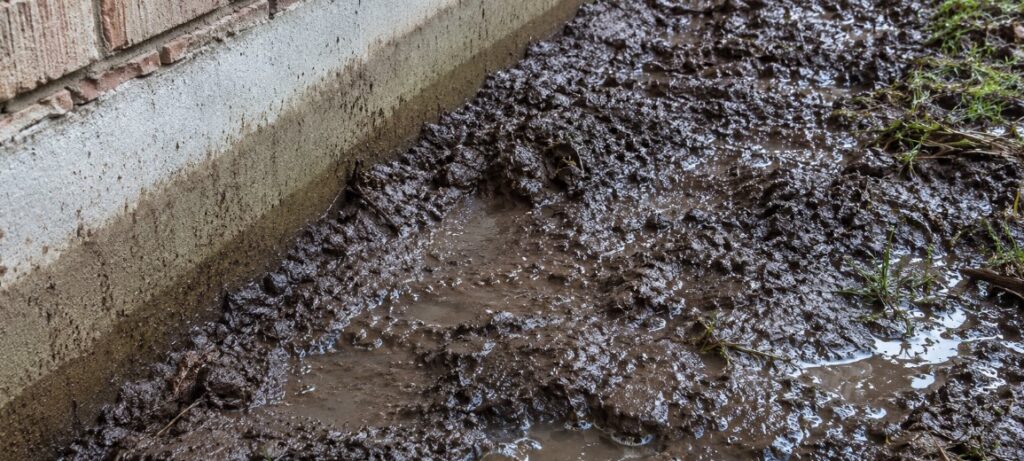
The soil around the home should slope away from the
foundation. Low areas can collect rainwater and direct it back toward the
structure.
Look for:
- Depressions
near the foundation
- Washed-out
soil
- Settled
landscaping beds
- Mulch
piled against siding
- Water
collecting near basement windows
- Hard
surfaces sloping toward the home
Soil, mulch, and landscaping materials should not cover
siding or block drainage openings.
Improving the grade around a home may require adding and
compacting appropriate soil. Large drainage problems may need professional
correction.
6. Inspect Windows, Doors, and Exterior Openings
Water can enter through deteriorated seals around windows,
doors, utility penetrations, vents, and exterior fixtures.
Inspect the condition of:
- Window
caulk
- Door
seals
- Weatherstripping
- Basement
windows
- Window
wells
- Dryer
vents
- Exterior
faucets
- Electrical
service openings
- Cable
and utility penetrations
Cracked, missing, or separated sealant should be repaired
with a material designed for the specific exterior surface.
Window wells should be clear of leaves and debris. Covers
should fit properly and allow water to drain away.
7. Look for Moisture in the Attic
The attic may provide the first visible evidence of a roof
or ventilation problem.
Use a flashlight to look for:
- Dark
roof decking
- Water
stains
- Damp
insulation
- Rusted
nails
- Condensation
- Visible
mold growth
- Wet
rafters
- Daylight
entering through the roof
- Musty
odors
Attic moisture does not always come from a roof leak. It may
also result from poor ventilation, damaged exhaust ducts, or warm indoor air
entering the attic.
Bathroom and kitchen exhaust fans should vent outside the
home rather than releasing moisture into the attic.
8. Test the Sump Pump and Backup System
Homes with sump pumps should test them before periods of
heavy fall rain.
Pour water into the sump pit and confirm that:
- The
pump turns on
- Water
is removed quickly
- The
pump shuts off correctly
- The
discharge line is clear
- Water
does not flow back into the pit
- The
discharge point is away from the foundation
Battery backup systems should also be tested. Replace aging
batteries according to the manufacturer’s recommendations.
Power outages often accompany severe weather, so a backup
system can provide additional protection when the primary pump cannot operate.
9. Trim Weak or Overhanging Tree Branches
Branches that hang over the roof can scrape shingles, fill
gutters with debris, or break during high winds.
Look for:
- Dead
branches
- Split
limbs
- Hanging
branches
- Trees
leaning toward the home
- Branches
touching the roof or siding
- Weak
limbs near utility lines
Large branches and trees near power lines should be handled
by qualified professionals.
Routine tree maintenance may reduce the risk of roof damage,
broken windows, and blocked access after a storm.
Roof Maintenance Tips Before a Michigan Winter
The roof is the home’s first line of defense against rain
and snow. Fall maintenance should focus on preventing water from getting
beneath the roofing system.
Replace Missing or Damaged Shingles
Even one missing shingle can expose the materials beneath it
to rain. Damaged shingles should be replaced before repeated fall storms or
winter snow make the problem worse.
Shingles may also need attention if they are:
- Cracked
- Curled
- Buckled
- Lifted
- Loose
- Missing
protective granules
Temporary patches may reduce immediate water entry, but they
should not replace a proper roof repair.
Inspect Flashing Around Roof Openings
Flashing protects joints and openings where roofing
materials alone cannot create a reliable seal.
Common flashing locations include:
- Chimneys
- Skylights
- Plumbing
vents
- Roof
valleys
- Dormers
- Wall
intersections
Loose, corroded, bent, or separated flashing can allow water
to enter beneath the roof surface. Sealant around flashing may also deteriorate
over time.
Remove Debris from Roof Valleys
Leaves and branches often collect in roof valleys. This
debris can slow drainage and hold moisture against the shingles.
Wet organic material may also encourage deterioration or
allow water to back up beneath roofing materials.
Roof debris should be removed safely and without damaging
the shingle surface.
Check Chimneys and Masonry
Cracked chimney caps, damaged mortar, and missing flashing
can all contribute to water intrusion.
Check for:
- Cracked
mortar joints
- Loose
bricks
- Damaged
chimney crowns
- Missing
caps
- Rusted
flashing
- Water
staining
Masonry repairs should be completed before freezing
temperatures arrive because trapped water can expand and worsen existing
damage.
Gutter Cleaning Tips That Help Prevent Water Damage
A clean gutter system directs rainwater away from the roof,
siding, and foundation. A blocked or damaged system sends that water into areas
it was never designed to reach.
Clean Gutters After Most Leaves Have Fallen
Cleaning too early may leave the system blocked again before
winter. Many homeowners benefit from an initial inspection early in the season
and a final cleaning after most nearby trees have dropped their leaves.
Homes with pine trees, maples, oaks, or other mature trees
may require more frequent service.
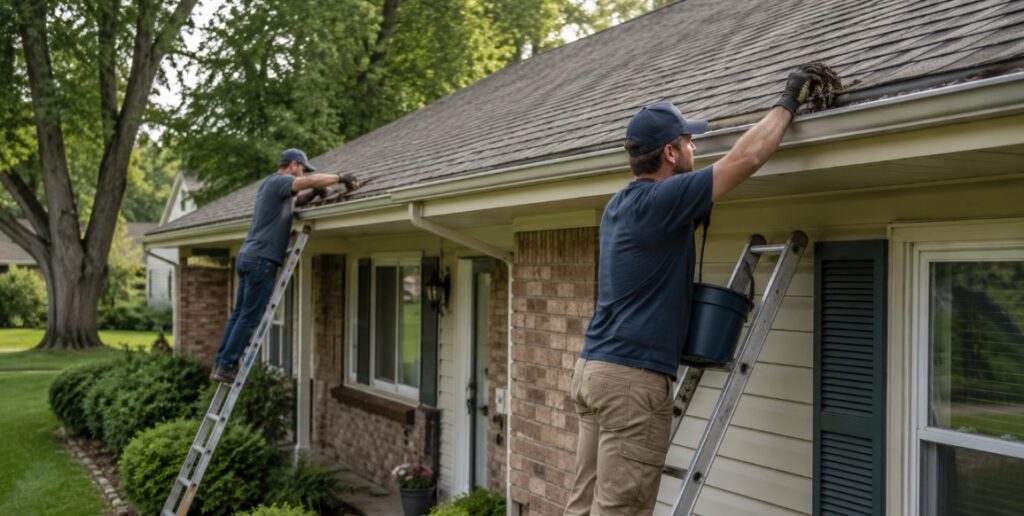
Anyone performing gutter cleaning should use appropriate
ladder safety practices. Homeowners who are uncomfortable working at height
should hire a professional gutter cleaning service.
Flush Downspouts to Find Hidden Clogs
A downspout may appear clear at the top while still having a
blockage inside an elbow or lower section.
Run water through each downspout and watch the discharge
point. Slow flow, backup, or leaking joints may indicate an obstruction.
Downspout strainers can reduce large debris buildup, but
they still require regular inspection.
Repair Sagging and Leaking Gutter Sections
Gutters should slope slightly toward the downspouts. Sagging
sections may hold standing water or overflow during rain.
Loose brackets, separated seams, and cracks should be
repaired before freezing temperatures arrive. Standing water can freeze, add
weight, and place additional stress on the gutter system.
Consider Gutter Guards Carefully
Gutter guards may reduce the amount of debris entering a
gutter, but they do not eliminate maintenance.
Small leaves, seeds, roof granules, and other materials may
still collect on top of or inside the system. Guards can also become blocked
during periods of heavy leaf fall.
The best system depends on the roof design, surrounding
trees, gutter condition, and local weather exposure.
How Minor Storm Damage Turns Into Water Intrusion
Water damage often becomes more serious when the original
source is not identified and repaired quickly.
Roof Leaks Can Spread Beyond the Attic
Water entering through the roof may soak insulation and
travel along rafters before reaching a visible ceiling.
Over time, this moisture can affect:
- Roof
decking
- Attic
insulation
- Ceiling
drywall
- Wall
cavities
- Electrical
fixtures
- Wood
framing
Wet insulation may lose effectiveness, while prolonged
moisture can create conditions that support microbial growth.
Overflowing Gutters Can Damage More Than Landscaping
When gutters overflow, water may run behind the gutter,
along the fascia, or down the siding. It may also collect around the
foundation.
Repeated exposure can contribute to:
- Wood
rot
- Peeling
paint
- Stained
siding
- Basement
leaks
- Soil
erosion
- Foundation
moisture
- Damaged
insulation
The visible overflow may stop when the rain ends, but
moisture can remain inside building materials.
Foundation Moisture Can Affect Basements and Crawl Spaces
Saturated soil increases the amount of moisture pressing
against foundation walls. Water may enter through cracks, joints, utility
openings, basement windows, or porous masonry.
Signs of foundation-related water intrusion include:
- Damp
basement walls
- Water
along the floor perimeter
- White
mineral deposits
- Peeling
paint
- Musty
odors
- Wet
carpet
- Buckled
flooring
- Rust
on metal fixtures
Ignoring repeated seepage may lead to more extensive damage
during future storms.
Moisture Behind Walls May Go Unnoticed
Not all water damage is visible. Moisture may collect behind
drywall, beneath flooring, or inside insulation.
Possible warning signs include:
- Soft
drywall
- Bubbling
paint
- Peeling
wallpaper
- Warped
trim
- Discolored
ceilings
- Persistent
odors
- Unexplained
humidity
- Flooring
that feels loose or uneven
Professional moisture detection equipment can help locate
affected areas that are not visible during a basic inspection.
Signs You May Need Emergency Restoration After a Fall Storm
Homeowners should inspect their property once conditions are
safe. Contact a storm
damage restoration professional when there are signs that water has entered
the structure or affected building materials.
Warning signs may include:
- Active
roof leaks
- Ceiling
stains
- Wet
attic insulation
- Standing
water in the basement
- Saturated
carpet or flooring
- Damp
drywall
- Water
around electrical fixtures
- Musty
odors
- Visible
mold growth
- Water
entering through foundation walls
- Sewage-contaminated
water
- Significant
storm damage to the roof or exterior
- Water
that cannot be removed safely with household equipment
Fast action can limit how far moisture spreads. Water
extraction, structural drying, dehumidification, and moisture monitoring may be
needed when materials are heavily saturated.
Homeowners should avoid entering areas with electrical
hazards, unstable ceilings, contaminated water, or structural damage.
What to Do Immediately After Discovering Storm Damage
The first priority after a storm is personal safety. Do not
climb onto the roof or enter damaged areas until it is safe.
Once immediate hazards have been addressed:
- Stop
the source of water if it can be done safely.
- Move
belongings away from active leaks.
- Place
containers beneath minor drips.
- Photograph
visible damage.
- Record
the date and approximate time the damage was discovered.
- Save
damaged materials or receipts when appropriate.
- Contact
a qualified restoration company.
- Notify
the insurance provider if the damage may be covered.
- Avoid
covering wet materials before they can dry.
- Do not
use household fans near contaminated water or electrical hazards.
Documentation can help explain the extent and timing of the
loss. Photos should include both close-up details and wider views of the
affected area.
Frequently Asked Questions About Fall Storm Prep
When should Michigan homeowners begin fall storm preparation?
Homeowners should begin inspections and maintenance in early
fall, before heavy leaf drop and freezing temperatures. September and October
are often practical months for addressing roof damage, cleaning gutters,
improving drainage, and sealing exterior openings.
A final gutter inspection may be needed after most nearby
trees have lost their leaves.
How often should gutters be cleaned in Troy, Michigan?
Many homes benefit from gutter cleaning at least twice a
year, including during the fall. Homes near mature trees may require more
frequent cleaning. Homes near mature trees may need additional cleaning
throughout the season.
The correct schedule depends on the tree coverage, roof
design, gutter size, and amount of debris that collects around the home.
Can clogged gutters cause basement water damage?
Yes. Clogged gutters may overflow and allow water to collect
near the foundation. If the surrounding soil becomes saturated, water may enter
through foundation cracks, basement windows, wall joints, or other openings.
Cleaning gutters and extending downspouts away from the home
can help reduce this risk.
How far should downspouts extend from the foundation?
Downspouts should release water far enough away that it
continues moving away from the structure. The required distance depends on the
property’s slope, soil, landscaping, and drainage conditions.
Homeowners should focus on preventing water from pooling
beside the foundation or flowing back toward the house.
What are the warning signs of storm-related roof damage?
Common warning signs include missing or lifted shingles,
damaged flashing, fallen branches or impact debris, ceiling stains, damp attic
insulation, and water dripping during or after rainfall.
Some damage may not be visible from the ground, so a
professional roof inspection may be appropriate after severe wind or falling
branches.
Is it safe to inspect a roof without a professional?
Homeowners can inspect many roof areas from the ground using
binoculars. They may also look inside the attic for moisture, staining, and
daylight entering through the roof.
Walking on a roof can be dangerous, especially when surfaces
are steep, wet, icy, or damaged. A qualified roofing professional should handle
close inspections and repairs.
Why is the freeze-thaw cycle damaging to Michigan homes?
Water expands when it freezes. If water enters a small crack
in concrete, masonry, sealant, or roofing materials, freezing temperatures can
widen the damaged area.
Repeated freezing and thawing may gradually lead to larger
cracks, loosened materials, and increased water intrusion.
What should be included in a fall home maintenance checklist?
A complete fall home maintenance checklist should include
the roof, gutters, downspouts, foundation, grading, windows, doors, attic, sump
pump, exterior drainage, and nearby trees.
Homeowners should also confirm that emergency contact
information and insurance documents are easy to access.
Should gutter guards replace regular gutter cleaning?
No. Gutter guards can reduce the amount of debris entering
the system, but they do not eliminate the need for inspections and cleaning.
Leaves and other materials may collect on top of the guards
or enter through openings. The gutters and downspouts should still be checked
for proper drainage.
How quickly should water damage be addressed after a storm?
Water damage should be addressed as soon as it is safe to do
so. Moisture can spread into drywall, insulation, flooring, and structural
materials even after visible water has been removed.
Professional water extraction and drying may be needed when
materials are saturated or when moisture has entered hidden spaces.
Can a small ceiling stain be a sign of a larger problem?
Yes. A small ceiling stain may indicate water traveling from
a roof leak, plumbing issue, or attic moisture problem.
Because water can move along framing and other materials,
the source may be located away from the visible stain. The affected area and
source should be inspected promptly.
What can Emergency Restoration do after storm-related water damage?
Emergency Restoration can evaluate affected areas, remove
standing water, dry structural materials, monitor moisture levels, and help
prevent further damage.
The specific restoration process will depend on the source
of the water, the materials involved, the amount of contamination, and how long
the area has remained wet.
Prepare Now Before Michigan’s Next Fall Storm
Timely preventive maintenance can reduce the likelihood of a
much larger water damage problem later in the season.
Start with the areas that control how water moves around the
home. Inspect the roof for missing or damaged materials. Clean the gutters and
confirm that downspouts are open. Check the foundation for cracks and make sure
the surrounding ground slopes away from the structure.
Inside the home, inspect the attic, basement, crawl space,
and sump pump for early signs of moisture or drainage problems.
No maintenance plan can prevent every form of storm damage.
However, finding a loose shingle, clogged downspout, or low drainage area
before the next heavy rain may help protect the home from avoidable water
intrusion.
If a fall storm causes a roof leak, basement flooding, or
water damage in your Troy or Oakland County home, contact Emergency
Restoration for prompt help identifying the affected areas and beginning
the cleanup and drying process.