
Non Emergency
Contact Form
Mid-Summer Humidity & Mold Risk in Michigan Homes
It is the middle of summer in Michigan. The air conditioner is running, the basement feels cooler than the rest of the house, and everything appears normal.
Then you notice a musty smell near the stairs. A cardboard box on the basement floor feels slightly damp. Condensation keeps forming on a cold-water pipe, or the air coming from a supply vent smells different than it did earlier in the season.
These are easy warning signs to dismiss. There may be no standing water, obvious plumbing leak, or visible mold on the walls. However, high indoor humidity can create a slow-moving moisture problem behind finished walls, beneath carpeting, inside duct insulation, or along wooden framing.
Mold prevention in Michigan is largely a matter of moisture control. Mold spores are always present in the environment, but they need moisture to begin growing. When humid summer air reaches cooler basement walls, pipes, ductwork, and other surfaces, condensation can provide the damp conditions mold needs.
Here is what Michigan homeowners need to know about mid-summer humidity, hidden mold growth, and when a household moisture problem requires professional attention.

Why Mold Thrives During Michigan’s Humid Summer Months
Warm air can hold more moisture than cooler air. During a
humid Michigan summer, that moisture enters homes through open doors, windows,
foundation gaps, crawlspaces, and normal air exchange.
Problems often begin when warm, humid air reaches a cooler
surface. A cold basement wall, air-conditioning duct, water pipe, or concrete
floor can lower the temperature of the surrounding air enough for condensation
to form.
That condensation may be obvious, such as droplets on a
pipe. It may also develop in areas that homeowners cannot easily see,
including:
- Behind
finished basement walls
- Under
carpet and padding
- Around
HVAC components
- Inside
poorly insulated ductwork
- Beneath
stored boxes or furniture
- Along
rim joists and foundation walls
Once drywall, wood, insulation, carpet, or other porous
material remains damp, mold can begin developing. The EPA guidance commonly recommends
drying wet materials within approximately 24 to 48 hours whenever possible.
Humidity creates a different challenge than a sudden flood
because there may not be a clear starting point. Instead of one major water
event, the home experiences repeated cycles of condensation and slow moisture
absorption.
Homeowners who already suspect a leak should also review the
warning
signs of hidden water damage in older Troy homes. A small plumbing or
foundation leak combined with high summer humidity can significantly increase
the risk of mold and material deterioration.
Why Basement Humidity in Troy, MI, Can Remain High
Basements naturally tend to be cooler than the upper levels
of a home. That makes them comfortable during the summer, but it can also make
them vulnerable to condensation and excess relative humidity.
Basement humidity in Troy, MI, may be affected by several
conditions:
- Moisture
moving through porous concrete or masonry
- Hairline
foundation cracks
- Poor
exterior drainage or grading
- Short
or disconnected downspouts
- Sump
pump or drainage system problems
- Uninsulated
cold-water pipes
- Limited
basement air circulation
- A
dehumidifier that is too small for the space
- Previous
flooding that was not completely dried
- Plumbing
or appliance leaks
A basement does not have to flood to develop a mold problem.
Dampness entering gradually through walls or accumulating in stored materials
may be enough.
After heavy rainfall, check the basement for damp corners,
staining, mineral deposits, or new odors. Homeowners with a history of water
entry can also follow these steps for protecting
a Troy basement from seasonal flooding.
A dehumidifier may help manage ordinary seasonal moisture,
but it will not correct an active leak, foundation seepage, overflowing HVAC
drain, or other continuing water source.
Warning Signs of Excess Humidity and Hidden Mold
Visible mold is only one indication that a moisture problem
exists. In many cases, homeowners smell or feel the effects of dampness before
they see growth.
Watch for the following warning signs:
- A
persistent musty or earthy odor
- Condensation
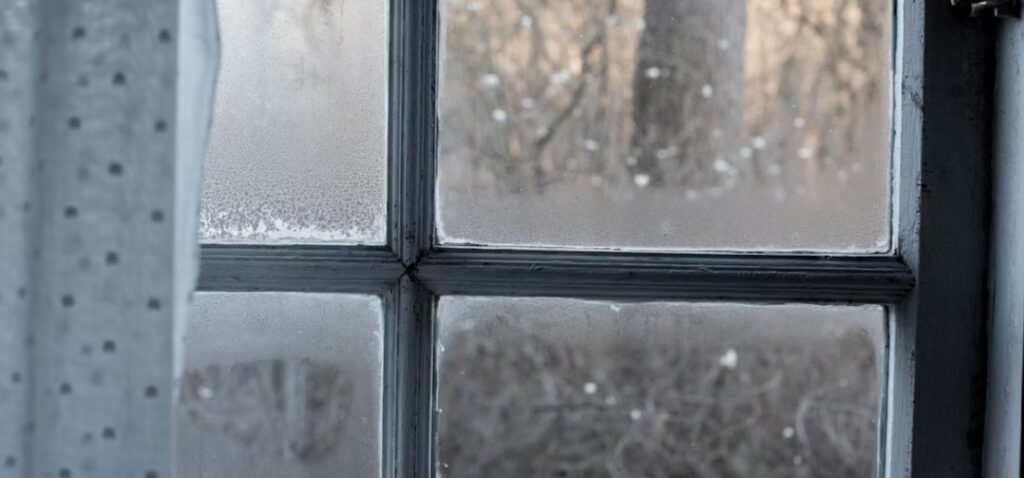
on windows, pipes, or ductwork
- Damp
concrete floors or foundation walls
- Dark
spotting on wood, drywall, or insulation
- Peeling
or bubbling paint
- Warped
trim, paneling, or flooring
- Soft
drywall or ceiling material
- Rust
around HVAC equipment
- Water
stains that continue to expand
- Carpet
or stored belongings that feel damp
- An
indoor humidity reading that remains above 60%
Do not assume that a musty smell is simply a normal basement
odor. A persistent odor may indicate that moisture is collecting inside a wall
cavity, beneath flooring, or in another concealed location.
The same is true of recurring condensation. Wiping a pipe or
window dry addresses the visible water but not the humidity or temperature
difference causing it.
Common Hidden Mold Locations in Michigan Homes
Mold does not always grow in the center of a wall where it
is easy to spot. It tends to develop in dark, damp areas with limited airflow.
Basements and Crawlspaces
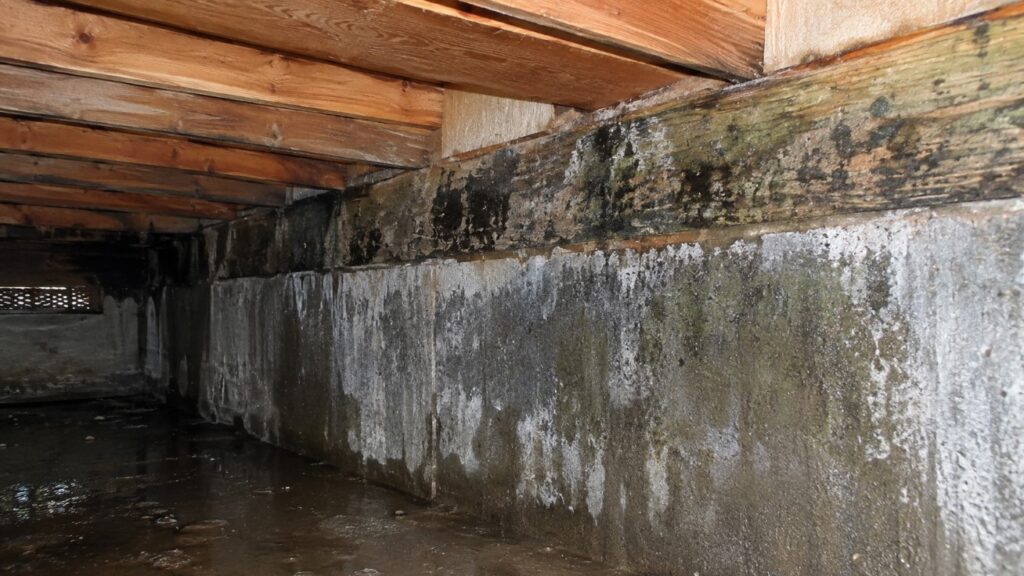
Basements and crawlspaces are among the first places to
check during humid weather.
Inspect:
- Rim
joists
- Floor
joists and subflooring
- Foundation
walls
- Sump
pump areas
- Plumbing
penetrations
- The
backs of finished walls
- Stored
cardboard, fabrics, and upholstered items
- Wood
posts or supports
- Crawlspaces
with exposed soil
Avoid placing cardboard boxes directly on a concrete
basement floor. Concrete can hold and transfer moisture, while cardboard
readily absorbs it and provides material on which mold can grow.
Use plastic storage containers when possible and leave space
between stored belongings and exterior walls so air can move around them.
Attics and Roof Decking
Attic mold is not limited to winter condensation. Roof
leaks, blocked ventilation, and bathroom fans that discharge into the attic can
create moisture problems during any season.
Look for:
- Dark
staining on roof sheathing
- Damp
or compressed insulation
- Rusted
roofing nails
- Water
marks near vents, chimneys, or skylights
- Bathroom
exhaust ducts ending in the attic
- Blocked
soffit or ridge vents
- A
musty odor near the attic access
Emergency Restoration encountered this type of issue during
an attic
mold removal project in Clinton Township. Poor ventilation allowed moisture
to build up over time. In addition to removing the mold, the underlying
ventilation problem had to be addressed to reduce the likelihood of it
returning.
HVAC Systems and Condensate Drains
Your air-conditioning system removes moisture from indoor
air as it cools the home. That moisture collects in a drain pan and exits
through a condensate line.
If the line becomes clogged or the drain pan overflows,
water can spread into insulation, drywall, ceilings, or nearby framing. Because
much of the system is concealed, the damage may go unnoticed until a ceiling
stain or musty odor appears.
Check for:
- Standing
water in or around the drain pan
- Rust
or staining near the air handler
- A
clogged condensate line
- Wet
insulation around HVAC equipment
- Musty
odors coming from supply vents
- Discoloration
near ceiling registers
The connection between air-conditioning equipment, hidden
leaks, and mold is also covered in our guide to summer
dryer vent and HVAC maintenance in Troy.
Do not continue running an HVAC system when you suspect
significant contamination with mold. Operating the system may distribute spores
to other parts of the building.
Behind Walls, Carpet, and Furniture
Mold may also develop:
- Behind
wallpaper or paneling
- Under
carpet and padding
- Inside
wall cavities
- Behind
cabinets
- Beneath
sinks
- Around
toilets and tubs
- Behind
furniture placed against exterior walls
- Under
laminate or vinyl flooring
Moving furniture a few inches away from cool exterior walls
can improve air movement. Periodically inspect beneath area rugs, basement
carpeting, and stored items for dampness or discoloration.
Mold Prevention Tips for Michigan Homeowners
The most effective way to prevent mold is to keep materials
dry and correct moisture problems before they spread.
Measure Indoor Humidity
Use a digital hygrometer to measure relative humidity in
different parts of the home. These devices are inexpensive and can help
identify a problem before visible damage occurs.
Take separate readings in the:
- Basement
- Main
living area
- Attic,
when safely accessible
- Laundry
room
- Areas
near HVAC equipment
Indoor humidity should generally remain below 60%. A range
of approximately 30% to 50% is ideal for many homes.
One comfortable room reading does not necessarily mean the
entire home is dry. A basement or crawlspace may have a much higher humidity
level than the main floor.
Use a Properly Sized Dehumidifier
Choose a dehumidifier based on the size and condition of the
space. A small unit may run constantly without lowering humidity in a large or
persistently damp basement.
For better performance:
- Keep
basement windows closed while the unit runs
- Clean
or replace the filter regularly
- Empty
the reservoir before it becomes full
- Use a
continuous drain when possible
- Position
the unit where air can circulate around it
- Monitor
the hygrometer instead of relying only on the machine’s display
If the dehumidifier fills unusually quickly or cannot bring
the humidity down, investigate for leaks, seepage, or drainage problems.
Improve Ventilation and Air Movement
Use exhaust fans in bathrooms and kitchens and vent clothes
dryers outdoors. Make sure bathroom fans do not terminate inside the attic.
Ceiling fans and portable circulation fans can help prevent
stagnant pockets of damp air. However, fans do not remove moisture from the
building. They should be used with air conditioning, dehumidification, or
another method of controlling humidity.
Opening windows may make the problem worse when the outdoor
air is more humid than the air inside.
Maintain Gutters, Downspouts, and Exterior Drainage
Moisture control begins outside the home.
Check that:
- Gutters
are clear and securely attached
- Downspouts
discharge away from the foundation
- Soil
slopes away from the house
- Window
wells drain correctly
- Foundation
cracks are evaluated
- The
sump pump operates properly
- Backup
sump pump power is available when needed
If a sump pump has already failed, review this restoration
case study involving sump pump failure and water damage.
Respond Quickly to Leaks and Water Damage
Do not leave wet carpet, drywall, insulation, or wood to dry
on its own in a closed room. Materials that appear dry on the surface may still
contain moisture underneath.
Professional restoration equipment can measure moisture
below the surface and establish controlled drying conditions. Learn more about
the major
steps in professional water damage restoration.
When a DIY Mold Check Is Not Enough
A homeowner can safely perform a basic visual inspection
without opening walls or disturbing contaminated materials.
Start by checking:
- Under
sinks and around plumbing fixtures
- Basement
corners and foundation walls
- HVAC
drain pans and accessible duct connections
- Attic
sheathing near roof penetrations
- Window
frames
- Areas
with stains or musty odors
- Materials
affected by a recent leak
Stop the inspection and contact a professional if the mold
is extensive, located inside an HVAC system, associated with sewage, or hidden
inside structural materials.
Professional help is also appropriate when:
- Mold
covers more than approximately 10 square feet
- The
growth returns after repeated cleaning
- The
moisture source cannot be identified
- Several
rooms may be affected
- Drywall,
insulation, or flooring must be removed
- A
tenant, employee, child, or vulnerable occupant may be exposed
- The
home recently experienced significant water damage
- The
affected area cannot be safely accessed
- The
musty odor persists without visible growth
A professional mold inspection in Oakland County can include
moisture readings, thermal imaging, an evaluation of affected materials, and a
plan for controlling the water source.
Mold testing is used to identify the type of mold, and it is
necessary to determine if the spores have traveled through the house.
What Professional Mold Remediation Involves
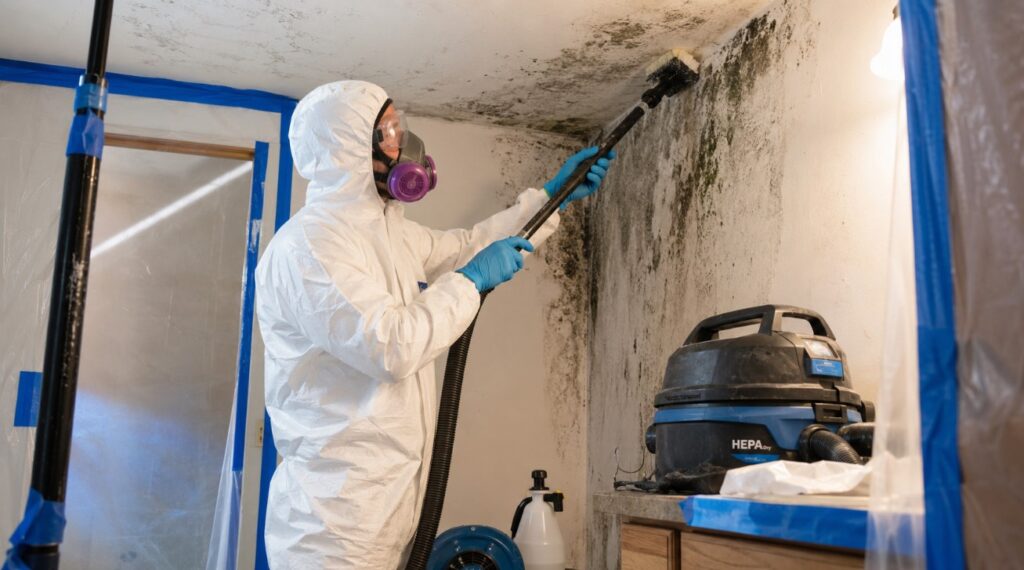
Professional mold remediation is more than spraying a
cleaner on a discolored surface. The affected area must be isolated,
contaminated material must be handled safely, and the underlying moisture
problem must be corrected.
Depending on the property and extent of damage, the process
may involve:
- Inspecting
the property and mapping elevated moisture
- Identifying
and stopping the leak or moisture source
- Establishing
airtight containment
- Creating
negative air pressure
- Filtering
airborne particles with HEPA equipment
- Removing
contaminated porous materials
- HEPA
vacuuming and cleaning remaining surfaces
- Using
industrial dehumidifiers and air movers
- Applying
appropriate antimicrobial products
- Verifying
that materials have reached acceptable moisture levels
- Repairing
or reconstructing damaged areas
Emergency Restoration used many of these methods during a mold
remediation and moisture-control project in Clarkston. A hidden water leak
had allowed widespread mold growth to develop. The team used thermal imaging,
moisture meters, HEPA-filtered equipment, air scrubbers, dehumidification, and
controlled material removal to address both the contamination and its source.
For information about available equipment and procedures,
visit our mold
remediation service page for Troy, MI.
Do Not Wait for a Small Moisture Problem to Spread
High summer humidity does not always create immediate,
dramatic damage. That is exactly why it can be dangerous to ignore.
A damp basement corner, overflowing HVAC drain, or slow
plumbing leak may continue for weeks before visible mold appears. By then,
moisture may have reached drywall, insulation, framing, flooring, or stored
belongings.
Emergency Restoration provides professional moisture
assessments and mold
remediation services in Troy and throughout Oakland County and Southeast
Michigan. Our IICRC-certified team uses professional moisture-detection,
containment, filtration, cleaning, and drying equipment to address the visible
problem and its underlying cause.
For immediate assistance, call Emergency Restoration at (248)
299-4500. Our live operators are available 24 hours a day.
For a non-emergency mold or moisture concern, contact Emergency
Restoration online.
Frequently Asked Questions
What should basement humidity be during a Michigan
summer?
Keep basement relative humidity below 60% whenever possible.
A range between approximately 30% and 50% is generally preferable. Use a
hygrometer to monitor the space and investigate leaks or seepage if a
dehumidifier cannot maintain a lower level.
Can a dehumidifier prevent mold in a basement?
A properly sized dehumidifier can reduce ordinary seasonal
humidity and lower mold risk. It cannot repair a plumbing leak, stop foundation
seepage, clear an overflowing HVAC drain, or remove mold that is already
growing.
How quickly can mold grow after water damage?
Mold may begin growing when damp materials are not dried
within approximately 24 to 48 hours. Temperature, airflow, the type of
material, and the amount of moisture all affect how quickly growth develops.
Does a musty smell always mean there is mold?
Not always, but a persistent musty odor is a strong reason
to investigate for hidden moisture or microbial growth. Check wall cavities,
flooring, stored materials, HVAC components, basements, and crawlspaces.
Can mold grow inside an HVAC system?
Yes. Mold can develop around cooling coils, drain pans, duct
insulation, or other damp HVAC components. A contaminated system should not be
operated until it has been evaluated because airflow may carry spores into
other rooms.
Do I need mold testing if I can already see mold?
Testing is critical because it will both help you identify
the type of mold and also help you determine if the spores have traveled
through the building.
When should I schedule a mold inspection in Oakland
County?
Consider a professional inspection when mold covers a large
area, returns after cleaning, follows significant water damage, may be inside
walls or HVAC equipment, or is accompanied by a persistent odor that you cannot
trace.
Can I clean mold by painting over it?
No. Painting or caulking over mold does not correct the
contamination or the moisture source. The material must be properly cleaned or
removed and fully dried before repairs or finishing work begins.