

How Fast Does Water Damage Get Worse?
A minor basement leak can quietly transform from a simple $3,000 cleanup into a $15,000 tear-out disaster—and the difference often comes down to just 72 hours. While structural subfloors offer a brief window of grace, porous materials like drywall and carpet run on a strict countdown before mold incubates and clean water turns toxic.
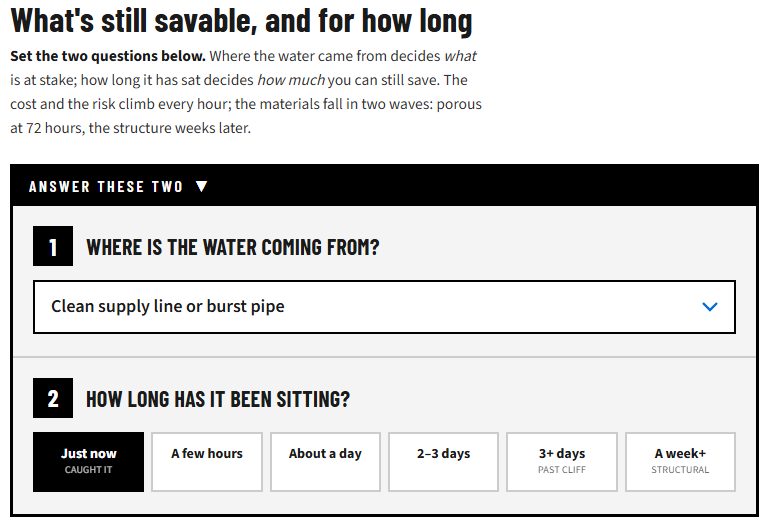
What Happens if You Wait on Water Damage – Timeline Tool
Water damage gets worse by the hour, and what you can save depends on two things: where the water came from and how long it has been sitting. Use the tool below to see what is likely still salvageable, how fast the situation is changing, and when it crosses from a cleanup into a bigger repair. It takes about ten seconds.
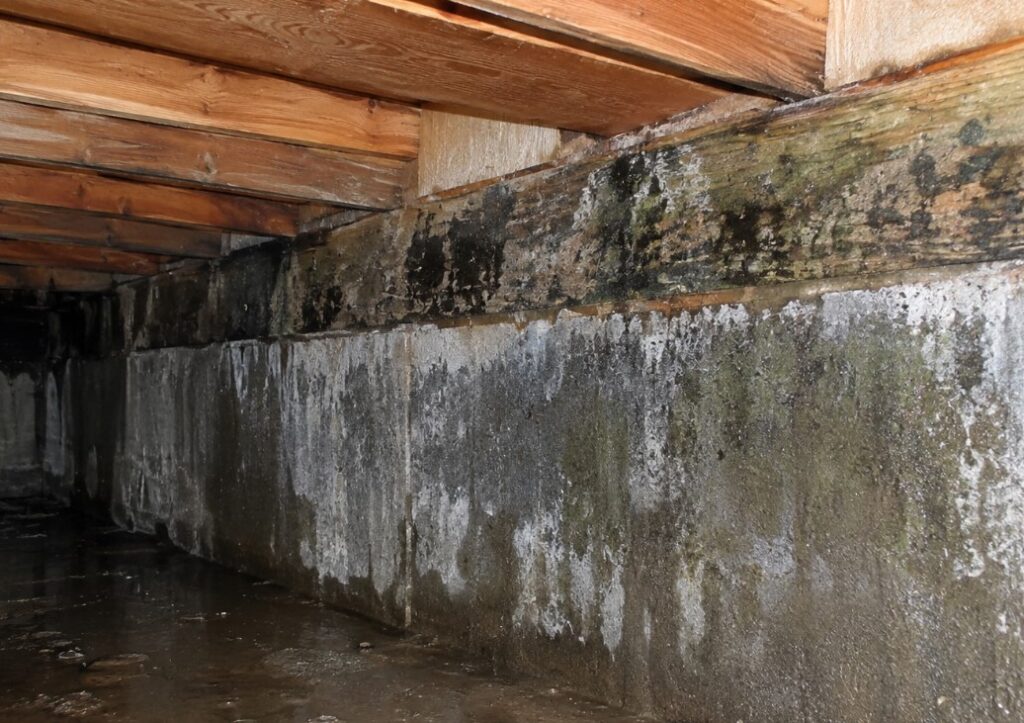
Mid-Summer Humidity & Mold Risk in Michigan Homes
We all know Michigan summers can get humid, but while it can become uncomfortable for people it can become downright dangerous for your home. We’ll walk you through some of the major risks to local homes from often unseen issues that come along with Michigan’s humid summers.
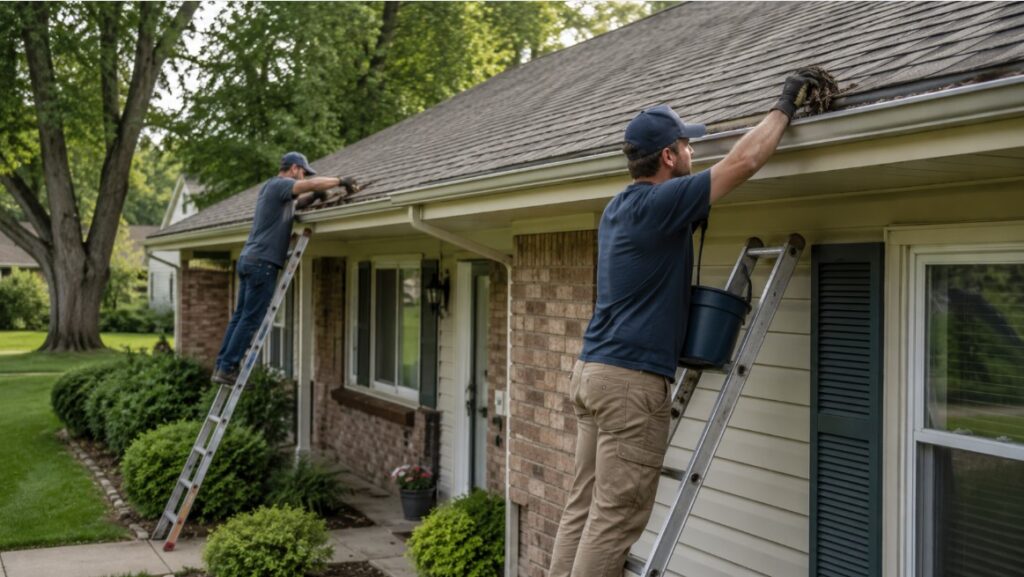
Fall Storm Prep: Protect Your Roof, Gutters, and Foundation Before Winter
Michigan fall storms can expose small problems with a roof, gutters, drainage system, or foundation before winter begins. This guide gives Troy and Oakland County homeowners a practical inspection checklist, seasonal maintenance tips, and warning signs that may indicate water intrusion or storm damage.
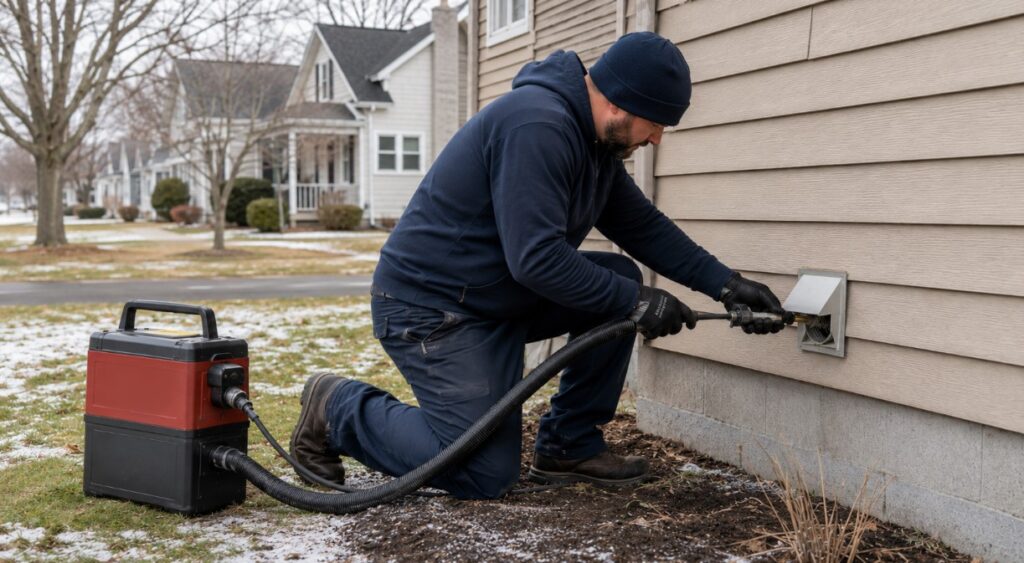
Why Dryer Vent & HVAC Maintenance in Summer Can Prevent Fire or Water Damage in Winter
Summer may not seem like the time to worry about dryer vents, furnaces, or winter water damage, but it is one of the smartest seasons for Troy homeowners to get ahead of hidden risks. A clogged dryer vent or neglected HVAC system can quietly create the conditions for house fires, mold growth, ceiling stains, carbon monoxide issues, and costly emergency repairs once Michigan’s cold weather arrives. This guide explains why summer dryer vent cleaning and HVAC maintenance are worth prioritizing now, what warning signs to look for, and how a few preventive steps can help protect your home before winter makes small problems much harder to fix.
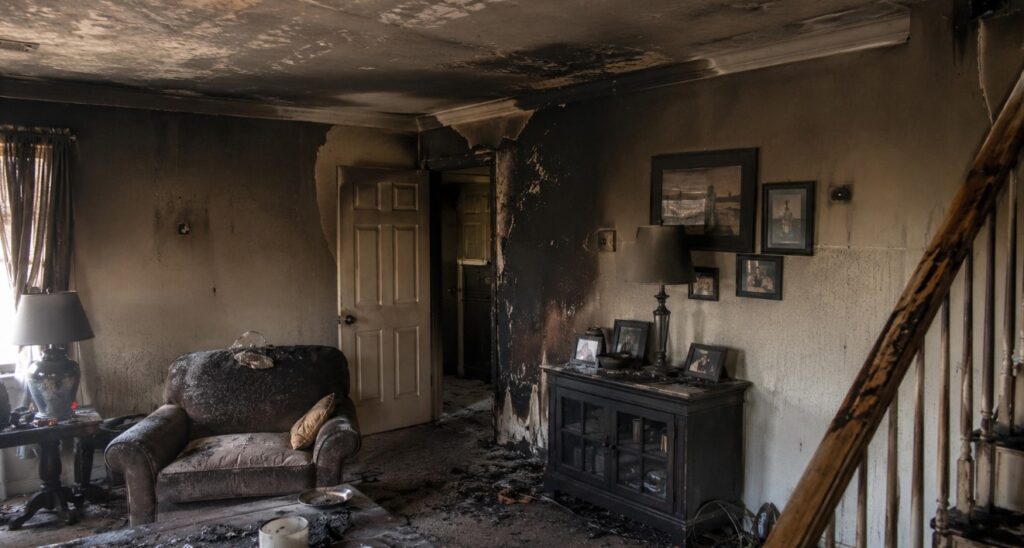
Summer Fire & Smoke Risk in Michigan Homes: Grills, Fire Pits & Hidden Hazards
Michigan summers are made for backyard living, grilling on the deck, gathering around the fire pit, setting off fireworks on the Fourth, and spending long evenings outside with family and friends. But the same seasonal habits that make summer enjoyable can also increase the risk of fire and smoke damage to your home.
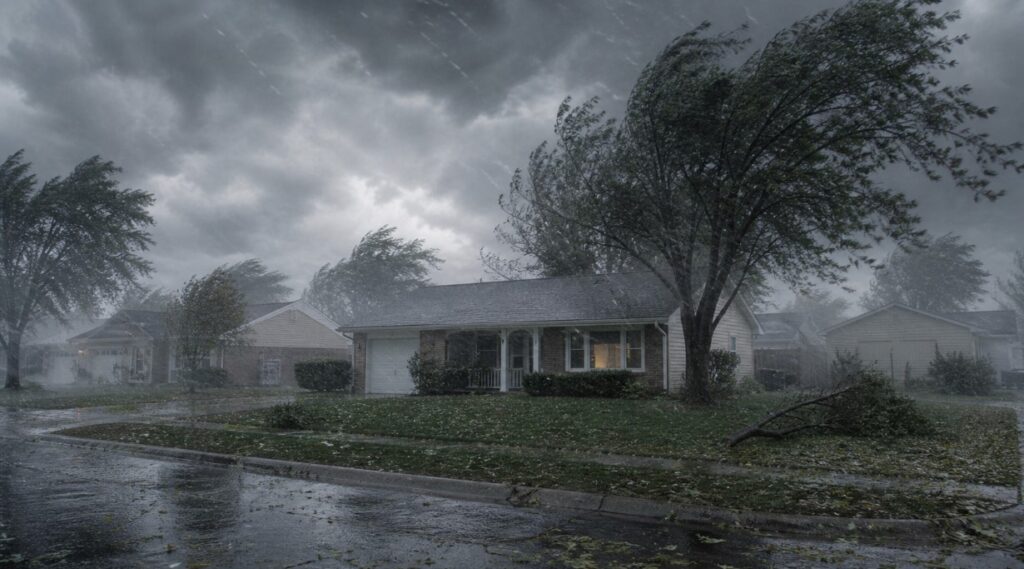
When Storms Strike in Troy, MI: What to Do After Wind, Hail or Flood Damage
Learn the first steps to take after wind, hail, or flood damage, how to document everything for insurance, and when to call Emergency Restoration. This helpful guide will help you avoid potentially costly mistakes when dealing with severe storm damage in Michigan.
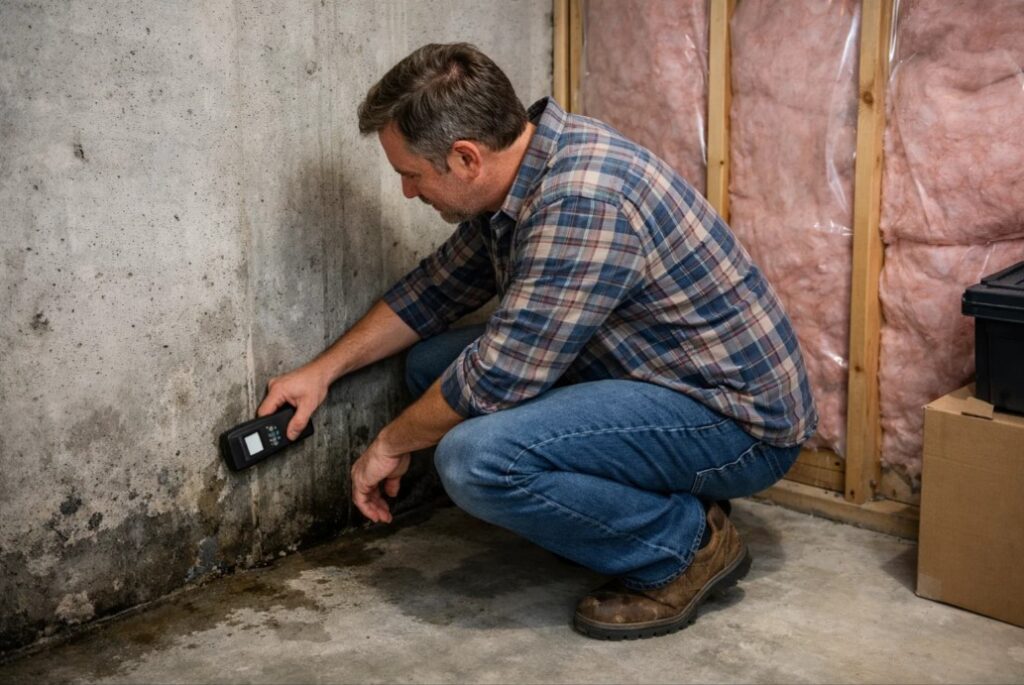
Hidden Water Damage in Older Troy Homes
Many Troy homeowners never know they have a water problem until the damage is already significant. There’s no burst pipe, no visible puddle — just a faint musty smell in the basement or a floor that seems slightly soft underfoot. By the time those signs appear, moisture may have been working its way through walls, subfloors, or foundation materials for months.